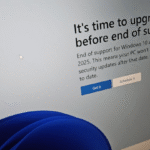
Support for Windows 7 has now ended

After January 14, 2020, Microsoft will no longer provide security updates or support for PCs with Windows 7. It is important to upgrade to Windows 10 now to keep your employees productive and secure.
This decision by Microsoft isn’t surprising as Windows 7 was released over 10 years ago. While incredibly popular – with some reports stating more than 35% of PCs still run Windows 7, it now makes sense Microsoft concentrate its efforts on improving its new flagship OS Windows 10. On the 14th of January 2020, Microsoft will stop releasing updates and patches for the operating system – it is likely you will also not be able to access any support if you encounter any problems also. This does not mean however that Windows 7 will stop working – you will still be able to use Windows 7 for as long as you want. However as Windows 7 will no longer be patched for any new viruses or security problems once it enters End of Life, this leaves you extremely vulnerable to any emerging threats. So it is recommended you upgrade without delay.
You can upgrade your existing Windows 7 PC to Windows 10.
These are the minimum system requirements to run Windows 10 are:
Operating System – Windows 7 SP1
Processor – 1GHz or faster processor
Memory – 1GB for 32-bit or 2GB for 64-bit
Hard Disk Space – 16GB for 32-bit OS or 20GB for 64-bit OS
While your PC might meet those specifications, we strongly recommend a minimum of 4GB of RAM to run Windows 10 remotely well and a solid state hard disk drive.
What better is you can still actually upgrade from Windows 7 for free even though the official published date has expired Microsoft will allow you to (unofficially) complete an in-place upgrade of Windows 7 converting your licence to a digitally signed Windows 10 licence. NB you will require your existing Windows 7 or Windows 8 product key to do this.
For further advice or support regarding upgrade paths and potential costs please contact us on 01224 54 54 54.